
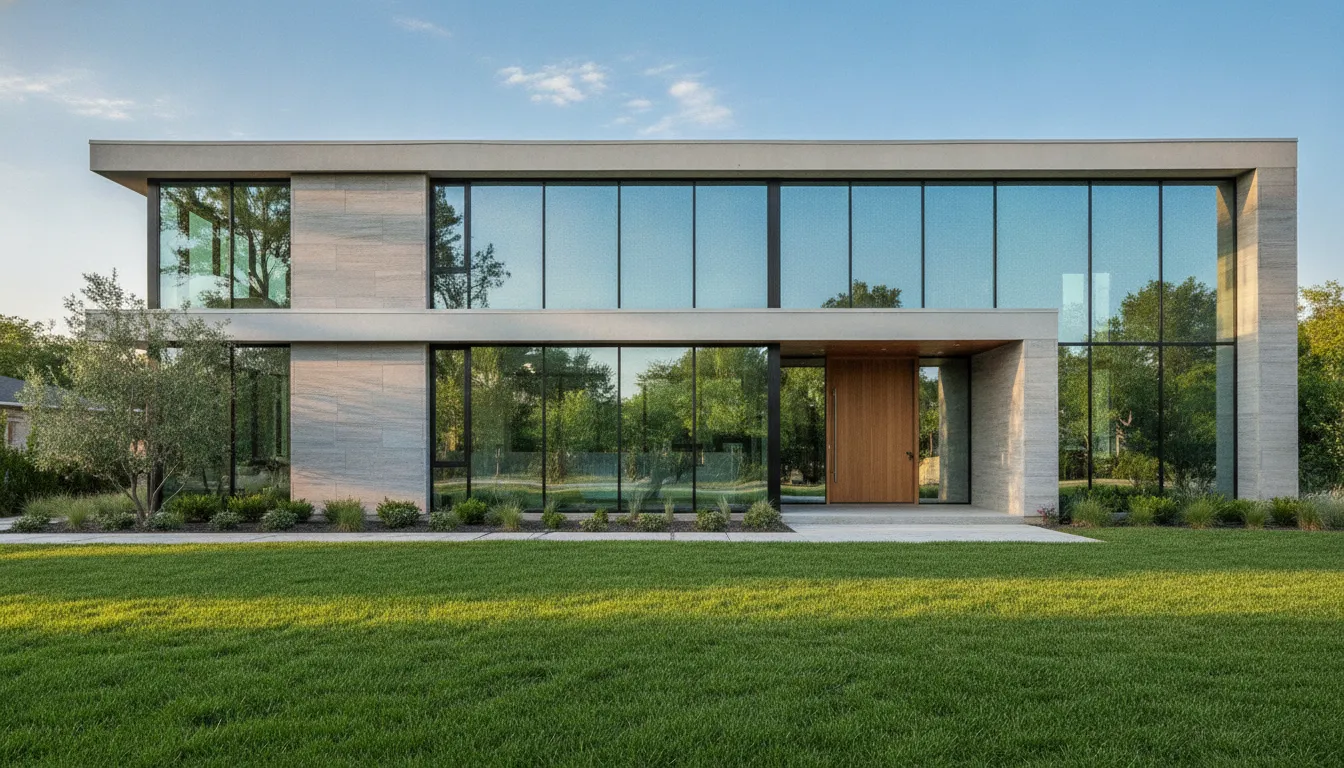
High energy bills often start with standard glass windows that let too much heat into your home. Sullivan’s Tinting has helped Chicagoland homeowners lower their monthly costs for over 36 years. Professional window film acts as a shield that keeps your budget on track while maintaining comfort throughout the year.
Schedule your free estimate today to find out how much you could save
Home window film energy savings are achievable for any homeowner who wants to lower monthly utility costs without replacing their windows. Residential window film reduces solar heat gain, helps maintain steady indoor temperatures, and protects furnishings from UV damage. According to Energy.gov, 30 percent of heating energy is lost through windows and 76 percent of sunlight on standard glass becomes heat. Professional solar control film blocks much of this heat and reduces strain on your air conditioner. Our family-owned company has provided residential window film installation since 1988 to help local families gain control over their energy budgets.
In this guide, we will cover exactly how window film cuts energy costs, what the research says. How Chicago’s climate affects your savings, and how to estimate what you could save on your own home.
Home Window Film Energy Savings: How Much Can Window Film Reduce Your Energy Bills?
Window film reduces energy bills by intercepting solar radiation before it enters your home. By blocking up to 78 percent of incoming solar energy. Professionally installed film lowers the workload on your air conditioning system, which translates into measurable savings on monthly cooling costs.
Windows are a big part of how your home gains and loses heat. During summer, standard glass lets in a lot of solar energy. About 76 percent of the sunlight that hits a standard double-pane window turns into heat inside your house. This solar heat gain makes rooms feel like an oven, and your cooling unit has to work much harder to fight the rising temperatures.
Modern window films use smart science to manage solar energy. This is often called heat rejection or solar heat gain control. High-end films can reject up to 78 percent of the sun’s heat. The effectiveness of a window film is measured by its Solar Heat Gain Coefficient (SHGC). The lower the SHGC, the less solar heat the film transmits. Clear single-pane glass has an SHGC around 0.80. While a quality solar control window film can reduce that to 0.30 or lower, cutting solar heat gain by more than half.
Window films use different technologies to achieve these results:
- Dyed films absorb solar heat to reduce glare and heat buildup at a lower cost
- Metalized films use thin metallic layers to reflect infrared heat like a mirror
- Ceramic films use nano-ceramic particles to block heat while staying virtually clear
- Hybrid films combine dye and metal layers for balanced performance
Ceramic films do not block cell phone signals or Wi-Fi, making them a great choice for busy homes. They give you clear views and high performance for your windows without the shiny appearance of metalized options.
What Does the Research Say About Window Film Savings?
Peer-reviewed research and government studies confirm that window film measurably reduces HVAC energy consumption. A 2024 study from the U.S. Department of Energy’s National Renewable Energy Laboratory found that window film can reduce annual cooling energy use by 10 to 15 percent. Making it one of the most cost-effective retrofits available for existing homes.
Major manufacturers have also tested how films affect home energy use. 3M reports that their films can reduce home cooling costs by as much as 30 percent. This savings comes from reflecting the sun’s heat during the hottest hours of the day. Other industry sources suggest a range of 5 to 10 percent on total bills depending on window count and film type.
The U.S. Department of Energy states that surface-applied films are effective at improving thermal performance in homes. These films reduce solar heat gain in summer and limit heat loss during cold weather, making them a smart choice for all seasons.
| Window Type | Peak Cooling Demand Reduction | Annual Cooling Energy Savings | Best Film Type |
|---|---|---|---|
| Single-pane windows | Up to 30 percent | 10 to 15 percent | Metalized or ceramic |
| Double-pane windows | 10 to 15 percent | 5 to 10 percent | Ceramic or low-E |
| Double-pane with low-E coating | 10 to 15 percent | 5 to 10 percent | Ceramic |
For context, the U.S. Department of Energy estimates that windows account for 25 to 30 percent of residential heating and cooling energy use. Improving the efficiency of your existing windows with film directly addresses that energy loss at its source.
Summer vs. Winter Benefits in the Chicago Climate
Chicago’s climate amplifies the value of window film because it provides measurable benefits in both summer and winter. In summer, film blocks solar heat and reduces air conditioning loads. In winter, low-E films reflect interior heat back into the room to reduce radiant heat loss through glass.
Chicago homeowners face some of the most extreme weather in the country. The local climate swings from humid, hot summers to deep, snowy winters. These shifts put a big strain on your home heating and cooling systems. While many people think of window film only for sun control, it really provides two distinct benefits.
Reducing solar heat gain in summer
During the hot Chicago summer, windows are the main entry point for heat. About 76 percent of the sun’s light that hits standard double-pane windows enters your home to become heat. This forces your cooling system to run longer and harder to keep rooms comfortable. Window film blocks this solar energy before it enters your living space, lowering cooling costs while maintaining clear views.
Cutting heat loss during winter
Winter in the Midwest brings a different challenge. When the temperature drops, windows become a path for heat to escape. The Department of Energy reports that about 30 percent of a home’s heating energy is lost through windows. High-quality low-E window film reduces this loss by reflecting interior heat back into the room. This helps your heating system work more efficiently and reduces cold spots near your windows.
Year-round value for local homes
The temperature swings in Chicago mean you need a solution that works every day. Unlike some upgrades that only help in one season, window film adds value throughout the year. It blocks UV rays, reduces glare on screens, protects flooring and furniture from fading, and helps keep energy bills stable. Choosing a local expert like Sullivan’s Window Tinting ensures your film is selected for the exact needs of our climate.
How Much Can You Save with Home Window Film?
Every home is unique, and your home window film energy savings will depend on several factors. To estimate your savings, start by evaluating these four key areas that a professional installer will assess during a free in-home consultation.
- Window area and orientation. Large windows facing south or west receive the most solar exposure. Homes with more windows on these sides see greater savings.
- Current window type. Single-pane windows benefit the most because they lack built-in insulation. Double-pane and low-E windows still see savings, but the percentage improvement is smaller.
- Local climate and utility rates. Chicago’s hot summers and cold winters maximize year-round benefit. Higher local electricity rates also shorten the payback period.
- Film type selected. Different films offer different levels of solar heat rejection. Your installer will recommend a film that balances energy performance with appearance and budget.
The film type you choose directly affects your savings potential:
- Dyed film offers basic glare control and moderate heat reduction at a budget-friendly price
- Metalized film provides stronger heat rejection with a reflective appearance
- Ceramic film delivers the highest heat rejection while staying clear and does not interfere with signals
A typical residential project for a 2,000-square-foot home costs between several hundred and a few thousand dollars. Many homeowners recoup their investment through energy savings within three to five years, after which the savings accumulate year after year for the life of the film. The only way to get an accurate estimate for your specific home is to have a professional evaluate your windows in person.
Ready to find out what you could save? Schedule your free estimate today
Why Professional Installation Maximizes Your Results
Getting the best home window film energy savings starts with how the film is installed on your glass. While some people try DIY installation, the small upfront savings often lead to bigger costs later. A professional team knows how to select the right film for your glass type and install it for a factory-finished appearance.
One of the biggest risks of DIY installation is choosing the wrong film. Windows can be single-pane, double-pane, or tempered glass. The wrong film can trap too much heat and cause the glass to crack or the seal to fail. Professional installers check your glass first to make sure the film is safe for your specific windows. Using a professional also keeps your manufacturer warranty valid, which you often lose with self-installation.
When you work with Sullivan’s Tinting, you receive:
- Manufacturer-backed warranties on both the film and the installation
- Precision-cut pieces custom-sized to each window for a seamless fit
- Professional-grade films from leading manufacturers like 3M, SunTek, and LLumar
- Expert recommendations based on your specific window types and energy goals
- A factory-finished appearance that preserves your home’s curb appeal
Sullivan’s has been serving Chicagoland homeowners since 1988. As a family-owned and operated business, we bring 36 years of experience to every installation. We serve cities from Chicago and Wauconda to Barrington, Hoffman Estates, Northbrook, Schaumburg, and Arlington Heights in Illinois, plus Delavan, Elkhorn, and Racine in Wisconsin. We stand behind our work with warranties that give you peace of mind.
Frequently Asked Questions About Home Window Film Energy Savings
Can home window film really lower my monthly energy bills?
How long does home window film last before it needs replacing?
Is window film effective on double-pane windows?
Does window film work in winter or just summer?
Will window film make my home look dark inside?
Ready to Start Saving on Your Energy Bills?
Every day you wait to address your windows, your home loses cooled or heated air through the glass. These energy costs add up month after month. Professional window film installation stops this waste and starts saving you money from the day it is applied. Most people notice a difference in their comfort and bills as soon as the job is complete.
Do not let another season of high energy costs pass you by when a simple, proven solution can protect your home and your budget. Sullivan’s Tinting offers free, no-obligation estimates to help you understand exactly what you can save. Our experienced team evaluates your windows, discusses your goals, and recommends the right film for your home and budget.